Wild Trout vs Stocked Trout in North Georgia
The wild vs stocked debate is a useful lens for understanding trout fishing — but it often produces a false hierarchy. In a well-managed private fishery, both wild and stocked trout serve specific roles, and the combination produces better fishing than either approach alone.
What Wild Trout Actually Are
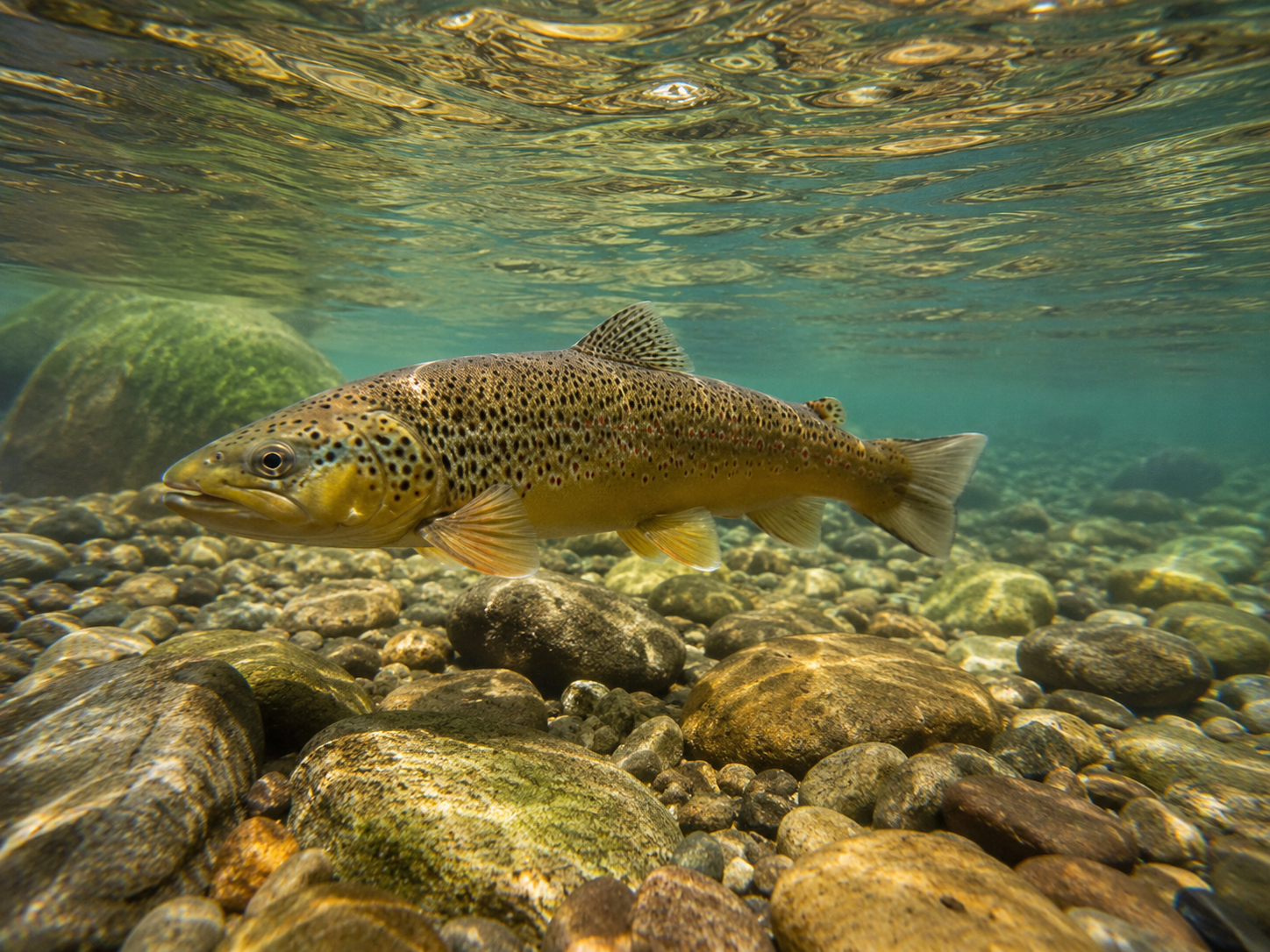
Wild trout are fish that were born in the stream and survived to adulthood without hatchery intervention. They hatched from eggs deposited in stream gravel during the spawning season, survived through alevin and fry stages in the cold flow, and grew up learning to feed on the specific insects, minnows, and crustaceans available in their home water.
Wild trout are selective because they have to be. Every cast of energy toward a potential food item represents a risk-benefit calculation that has been refined through the fish's entire life. They recognize the silhouettes of natural insects, they are attuned to the presentation characteristics of real food versus imitations, and they use the stream's structure — current seams, undercuts, depth changes — the way a fish that grew up there naturally would.
In North Georgia, wild brown trout reproduce naturally in several cold-water streams including Tickanetley Creek. Wild rainbow trout are established in upper reaches of mountain drainages throughout the region. These populations exist because the habitat supports them — cold temperatures, appropriate spawning gravels, and adequate insect life to support growth.
What Stocked Trout Actually Are
Stocked trout are hatchery-raised fish introduced into streams to supplement natural populations or support fisheries where natural reproduction is insufficient. They arrive in the stream having been raised in the controlled conditions of a hatchery — fed on pellets, exposed to other fish in raceways, and conditioned to a very different environment than a moving mountain stream.
Freshly stocked fish in a public put-and-take fishery are easier to catch. They are not yet conditioned to the stream's food base, they lack stream-wise behavior, and they often respond to a wide range of presentations. This is by design for recreational fisheries focused on angler success rates.
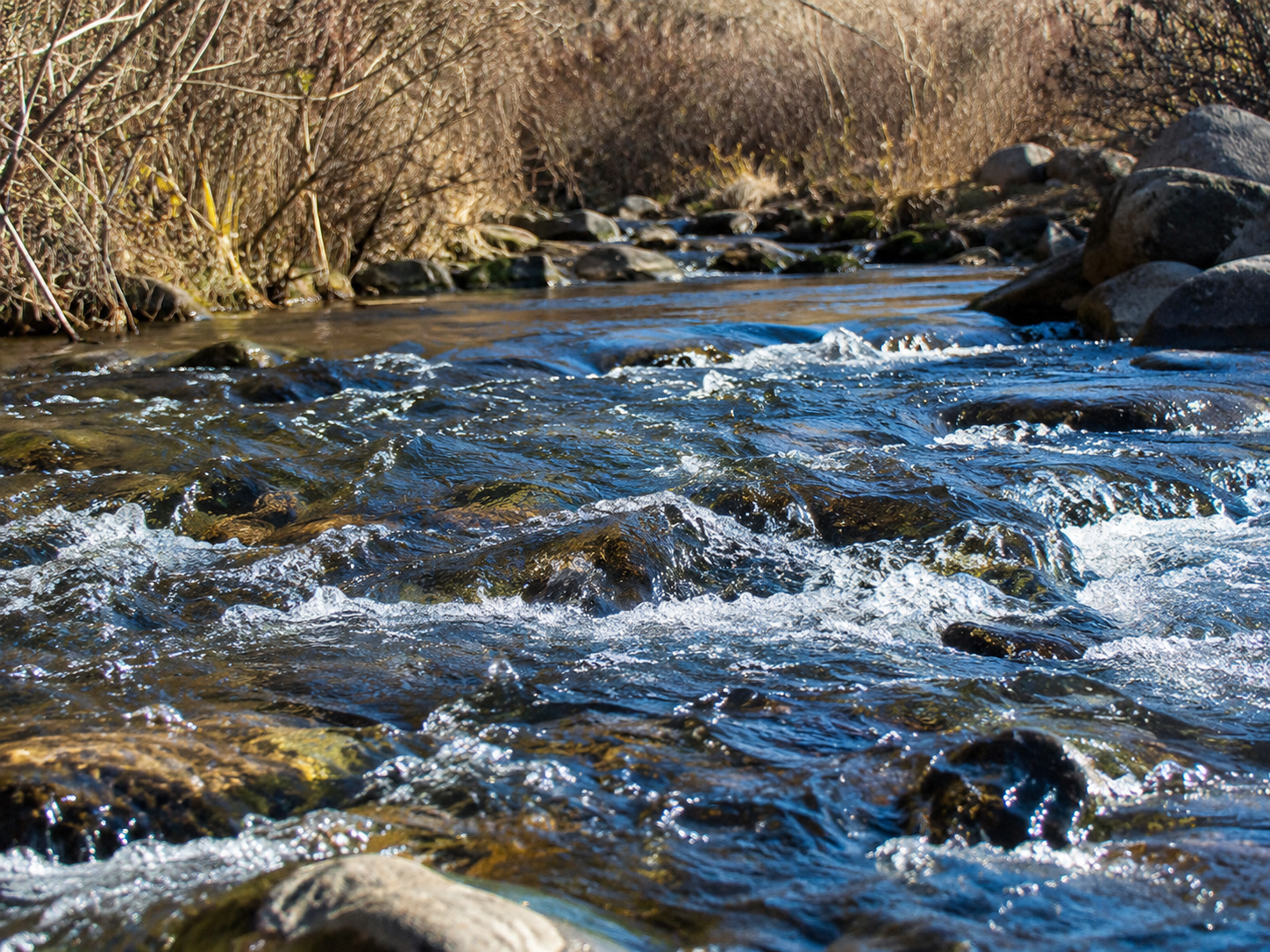
But the story does not end there. In a managed private fishery — particularly one operating under strict catch-and-release — stocked fish that survive the first few weeks in moving water undergo a rapid behavioral transformation. They begin feeding on natural insects, learn current structure, develop selectivity toward presentation. Within a season, a well-conditioned stocked fish in private water is not the same fish that arrived from the hatchery.
Why a Managed Private Fishery Uses Both
Wild Fish as the Foundation
Wild trout are the foundation of any quality private fishery. They establish the behavioral baseline for the water — where fish hold, how they feed, what the stream's food base looks like at different times of year. Protecting wild trout through catch-and-release and habitat management ensures the fishery has a self-sustaining core that improves over time rather than depending entirely on annual stocking.
Stocking as Strategic Enhancement
Wild reproduction alone rarely produces enough fish to provide consistent angling across all seasons on a managed private stream. Strategic stocking supplements the wild population — maintaining fish density in the system through slower natural production periods and distributing fish across the creek in a way that prevents concentration pressure in accessible runs.
The Wild Water Approach
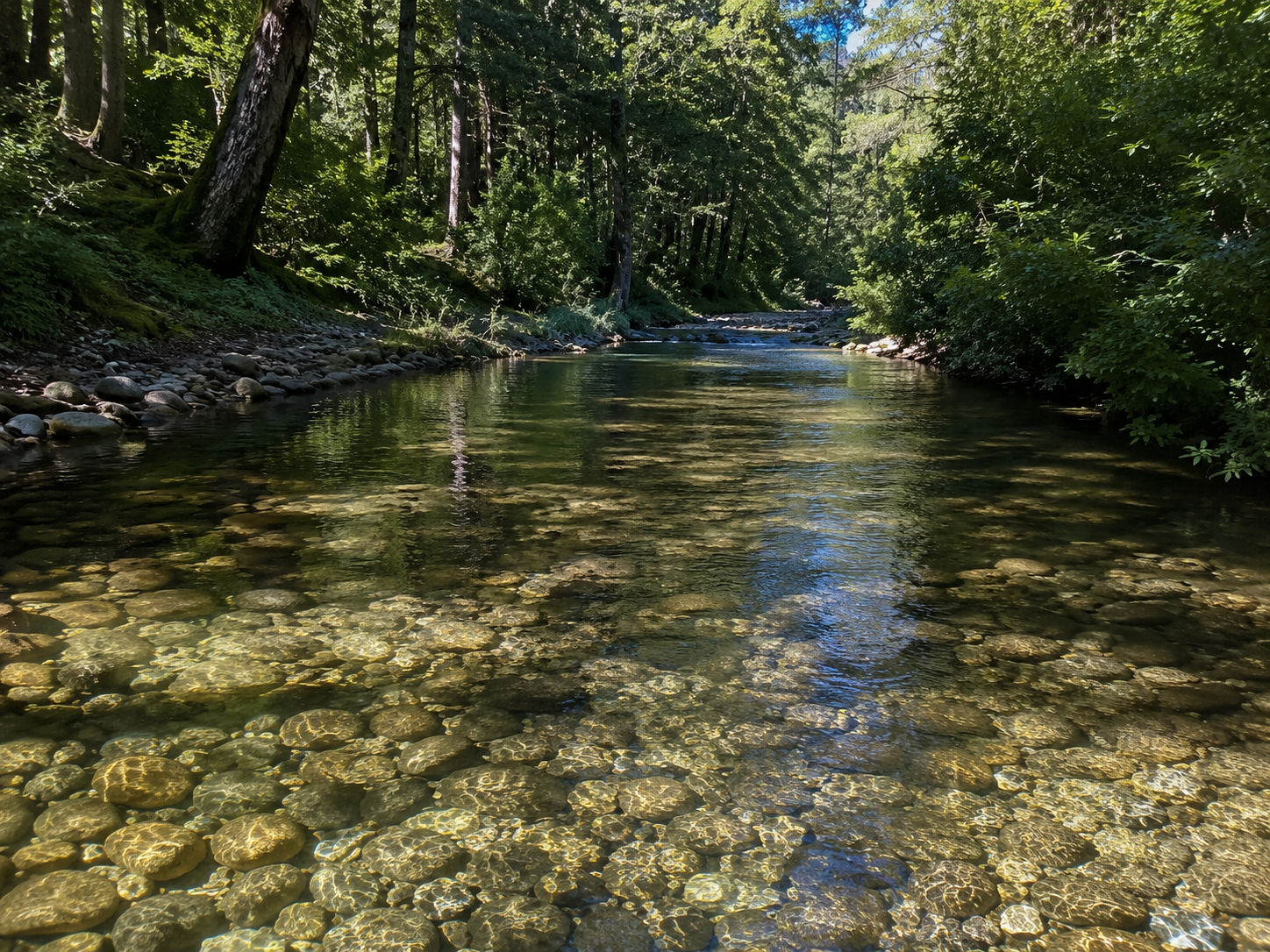
Wild Water Trout Club stocks approximately 1,200 lbs of trout annually on Tickanetley Creek. These fish are placed throughout the 3.5 miles of private water in a distribution pattern designed to encourage dispersion rather than concentration. Under mandatory catch-and-release and limited rod pressure, a significant portion of these fish condition to the stream and remain in the system for months — becoming the selective, challenging targets that private managed water is known for producing.
The Behavioral Transformation
Fish that survive their first few weeks in a private managed stream are no longer the same fish that arrived from the hatchery. They have begun feeding on the stream's natural insects. They are holding in productive current seams rather than congregating at surface pellet distribution points. They are developing the wariness that comes from living in moving water with natural predators and occasional angler encounters. In a well-managed private fishery, the distinction between "wild" and "stocked" becomes less meaningful as the season progresses.
What This Means for Your Fishing
Consistent Fish Counts
Strategic stocking means the creek holds good numbers of fish across all seasons — not just in the weeks following a public stocking event. You are fishing a maintained population, not racing to beat the crowd after a DNR truck visit.
Selective Feeders
Fish that have been in private managed water for any length of time are not easy targets. They have learned the creek's food base and developed the wariness that comes from low but consistent angler encounters. Your presentation matters.
Year-Round Quality
The combination of wild fish, conditioned stockers, and catch-and-release management produces fishing quality that holds through the entire calendar year — not just the spring weeks when public fisheries peak.
Fish a managed private stream where every visit means something.
Wild Water Trout Club's approach to wild and stocked trout management produces a fishery that holds up all season. Membership is limited.