Best Time for Trout Fishing in Georgia
Georgia trout fishing follows the rhythms of water temperature, insect life, and angler pressure. Understanding the seasonal windows — and how private managed water changes what those windows mean — makes the difference between consistent fishing and chasing conditions.
It Starts With Water Temperature
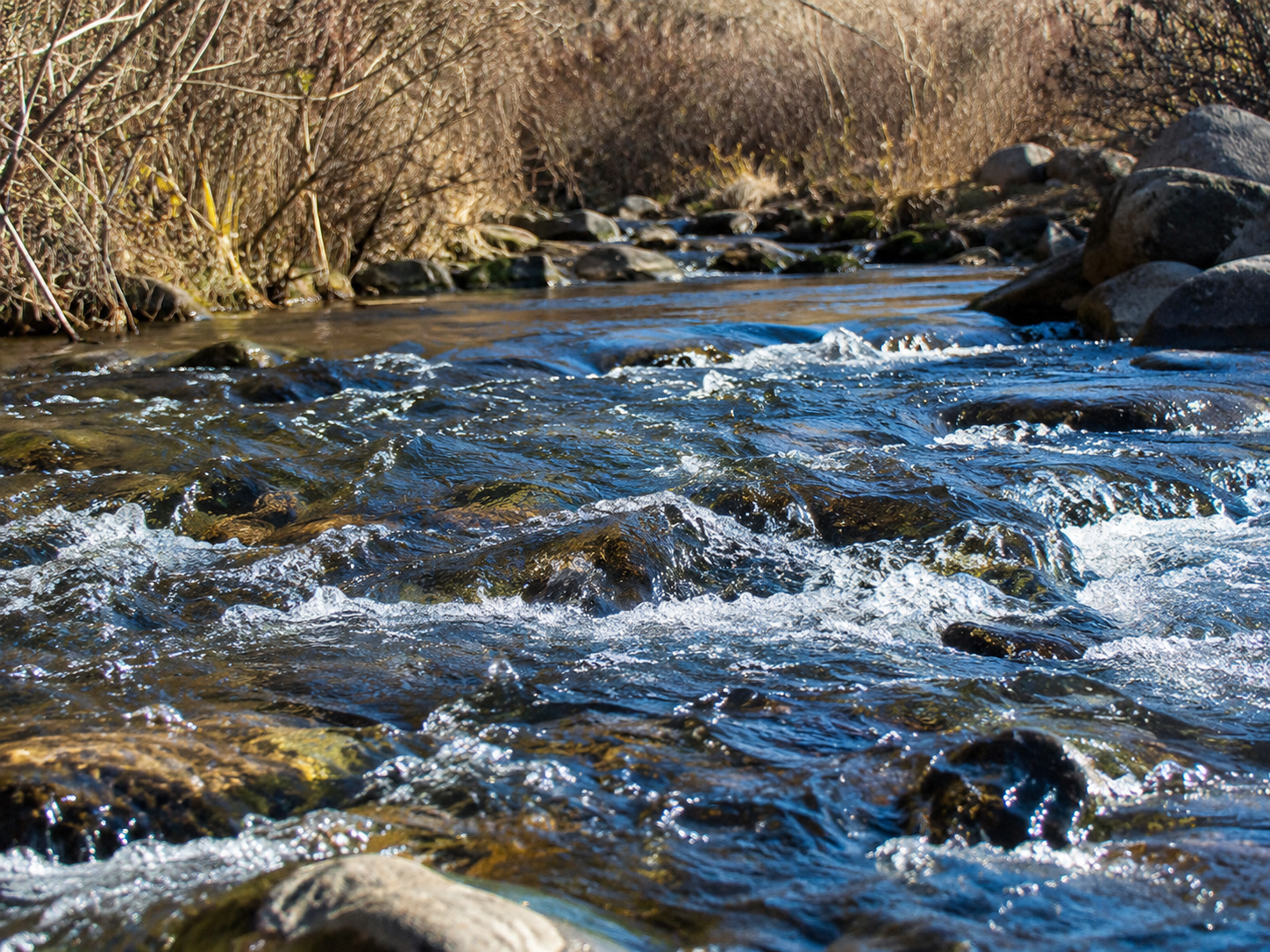
Trout are cold-water fish. Rainbow trout feed most actively between 45°F and 65°F; brown trout have a similar range with slightly more tolerance on the upper end. When water temperatures fall outside this window — too cold in deep winter or too warm in late summer — trout metabolism slows and feeding activity drops.
In Georgia, this means the best trout fishing windows generally align with spring and fall, when water temperatures sit naturally in the productive range across most streams. Summer fishing is concentrated in shaded headwater creeks with cold spring inputs — streams where the thermal refugia are built into the landscape.
North Georgia's mountain streams maintain more favorable temperatures year-round than piedmont or coastal Georgia water. The elevation, canopy cover, and cold groundwater inputs of the Blue Ridge watershed create the conditions that allow trout to persist through Georgia summers in the first place.
Georgia Trout Fishing Through the Year
Spring
March — May
Spring is the prime season for North Georgia trout fishing. Water temperatures rise from winter lows into the 50–65°F range that triggers aggressive feeding. Mayfly and caddis hatches intensify through April and May, producing reliable dry fly opportunities in the afternoon and evening. Trout that have been conserving energy through cold months begin moving more actively to feed.
This is also when Georgia DNR conducts its heaviest stocking on public water — which concentrates angling pressure on predictable sections. For members with access to private managed water, spring is the season to take full advantage of fish that behave naturally without the overlay of weekend crowds.
Summer
June — August
Summer trout fishing in Georgia requires strategy. Water temperatures rise across much of the system, pushing trout into thermal refugia — cold spring seeps, shaded upstream reaches, and the deepest available pools. Early morning and evening windows, when temperatures are coolest, are the productive periods.
On well-shaded freestone creeks at elevation — like Tickanetley Creek in Gilmer County — summer conditions remain fishable through the season. Terrestrial patterns (beetles, ants, hoppers) become important as stream insect hatches thin out. Smaller nymphs fished deep in the holding pools produce consistently when surface activity is low.
Fall
September — November
Many experienced North Georgia anglers rank fall as the best season. Water temperatures drop back into the productive range as summer heat dissipates. Caddis hatches return. Brown trout enter pre-spawn staging behavior in October and November, becoming more territorial, more active, and more willing to take large streamers and attractor patterns.
The mountain hardwoods peak in October along North Georgia's trout streams. Water clarity is typically excellent after summer low flows begin to recover. Fish that have been thermal-stressed through the hottest weeks emerge from their holding pools and begin feeding across a wider range of the stream.
Winter
December — February
Winter trout fishing in North Georgia is not for everyone — and that is exactly why those who fish it tend to love it. The streams are empty of other anglers. Water clarity is often superb. The fish are present in their holding lies, visible and predictable, requiring precise midge and small nymph presentations to fool.
The midday window — roughly 10am to 2pm — is when water temperatures peak and fish are most likely to feed. Sunny days with temperatures above 40°F produce the best winter action. This is technical, focused fishing that rewards patience and accuracy over mobility.
Insect Life and the Hatch Calendar
What to Expect Through the Season
North Georgia mountain streams host a varied insect community. The hatch calendar on freestone streams like Tickanetley Creek follows a predictable arc: midge activity year-round, early season stoneflies in February and March, mayfly hatches beginning in April and running through June, caddis through spring and into fall, and terrestrials taking over as the primary surface food through July and August.
The specific insects and timing vary by elevation and stream character. Higher, colder streams run behind lower-elevation fisheries by two to three weeks in spring, and extend their productive windows later into summer. Knowing the specific hatch calendar of a particular creek — as Wild Water's guides do for Tickanetley — is a significant advantage.
How Private Managed Water Changes the Calculus
On public water, "best time" is inevitably modified by the question of pressure. Spring is the best season — but spring is also when public trout sections see the highest rod counts. Early starts and weekday fishing help, but on popular public water in North Georgia, even the best windows come with caveats.
Private managed water removes that qualifier. When you book an access day at Wild Water Trout Club, you are the only angler on that section of water. The fish you encounter have not seen another fly since your last visit. This changes what the seasonal windows actually deliver.
The club's approximately 1,200 lbs of annual stocking maintains consistent fish counts through every season — so even in the slower windows (winter, midsummer), there are quality fish available in the system. Combined with the wild population that is protected by catch-and-release, the result is a fishery that performs year-round in a way that public or heavily pressured water cannot.
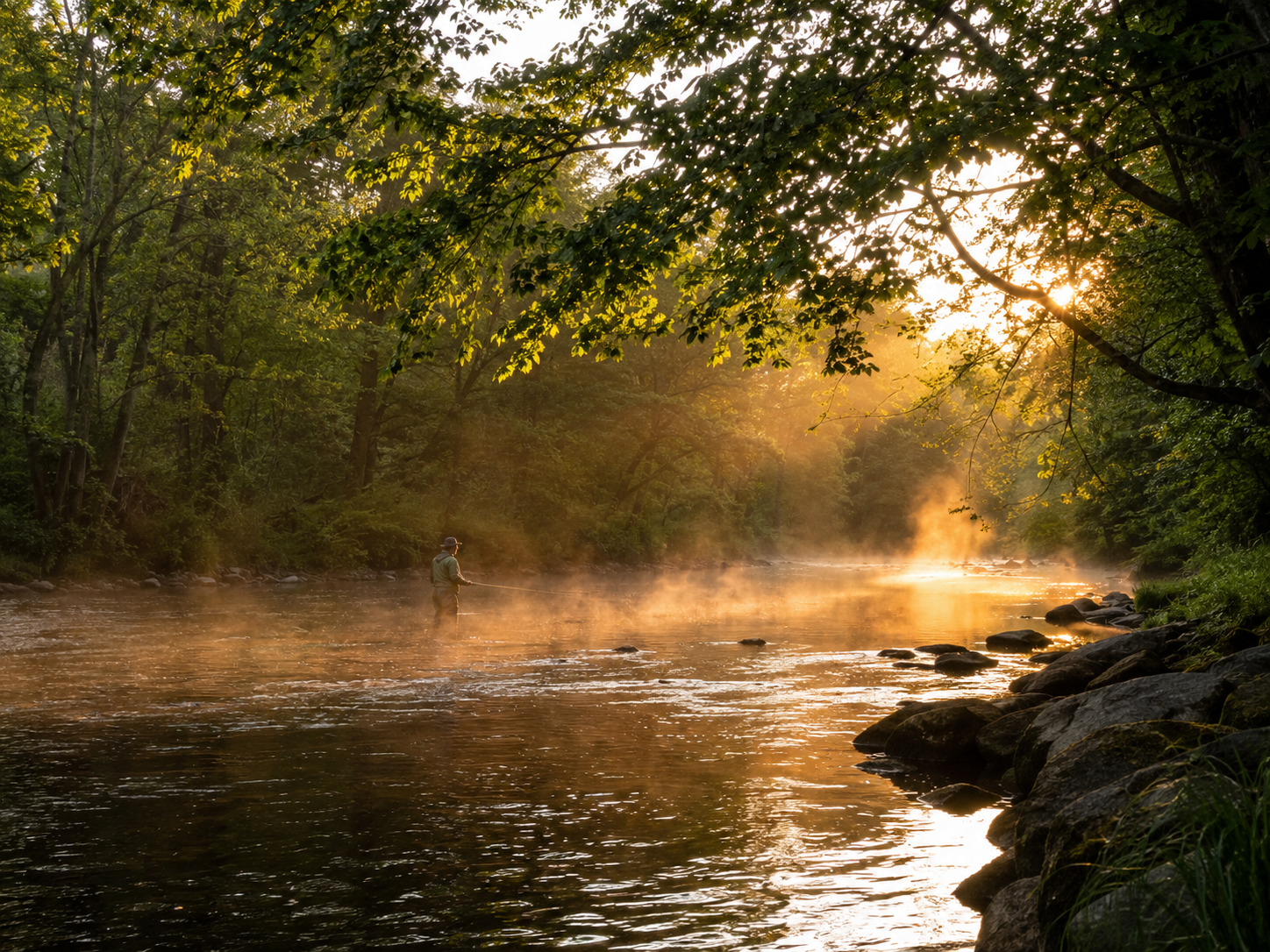
Fish when the conditions are right, not just when the water is open.
Wild Water Trout Club's private managed water delivers year-round fishing quality that public Georgia trout streams cannot. Membership is limited.